Chiang Mai travel guide: temples, mountains and markets
Practical Chiang Mai guide: getting there, songthaews and Grab, where to stay, Old City temples, Doi Suthep, day trips, smoke season and how long to stay.
- Region
- Northern Thailand
On this page
Chiang Mai is the main city of northern Thailand and the natural second stop after Bangkok for most first-time visitors: compact, walkable in the centre, ringed by mountains and noticeably calmer than the capital. The moated Old City holds dozens of Lanna-era temples; just outside it are the Night Bazaar, the café-heavy Nimmanhaemin district and the quiet east bank of the Ping River. Within an hour or two you can be at a hilltop temple, a waterfall or the highest point in Thailand.
Why go
- Temples without big-city crowds: the main Old City temples are a 10-minute walk from each other.
- Mountains on the doorstep: Doi Suthep rises behind the city; Doi Inthanon is a day trip.
- Food and markets: khao soi, northern sausage, the Sunday Walking Street and the Night Bazaar.
- A good base: waterfalls, hill villages and elephant sanctuaries nearby, and onward routes to Pai, Chiang Rai and Laos.
Getting there
Chiang Mai is roughly 700 km north of Bangkok. Our Bangkok to Chiang Mai guide compares every option in detail; here is the short version.
By air
Chiang Mai International Airport (CNX) sits only 3 to 4 km south-west of the Old City. Flights from Bangkok take about 1 hour 10 minutes from both Suvarnabhumi and Don Mueang with Thai Airways, Thai AirAsia, Nok Air, Thai Lion Air, Thai Vietjet and Bangkok Airways; there are also direct flights from Phuket, Krabi and several cities abroad. One-way fares from Bangkok typically run from around 1,000 to 3,000 THB as of October 2026.
From the terminal you can take:
- Airport taxi counters in arrivals with set fares to the city (roughly 150 to 250 THB; confirm at the desk), or Grab or Bolt from the pick-up points outside.
- RTC city bus route R3, which stops outside the international terminal and loops via Nimmanhaemin, Tha Phae Gate and the Night Bazaar for a flat 30 THB, according to the airport's transport page.
- AOT shuttle buses A1 and A2 (40 THB) to Nimman and the moat or to Chang Khlan Road, and A3 (60 THB) to the outer ring road; timings vary, so check the airport site.
- Red songthaews, shared or chartered; agree the price before you get in.
By train
Chiang Mai railway station is on Charoen Muang Road, 2 to 3 km east of the Old City. Trains from Bangkok's Krung Thep Aphiwat Central Terminal take around 11 to 14 hours; the overnight sleepers with second-class air-conditioned berths are the popular choice. Book on the State Railway of Thailand's D-Ticket site or via 12Go; peak-date berths sell out weeks ahead.
By bus
Long-distance coaches use the Arcade Bus Station (Chiang Mai Bus Terminals 2 and 3), about 3 km north-east of the moat. Services from Bangkok Bus Terminal (Chatuchak) / Mo Chit take roughly 9 to 11 hours, mostly overnight, with Transport Co. and private companies offering first-class and VIP seats. Buses to Chiang Rai, Pai and Sukhothai also leave from Arcade; the smaller Chang Phueak terminal handles short provincial routes.
Getting around
The Old City is about 1.5 km square and flat, so walking covers the temples and markets. Further afield:
- Red songthaews (rot daeng). The shared red pick-up trucks are the city's informal bus system: flag one down, say where you are going, and hop in the back if it suits the route. Short hops around the centre cost about 30 to 40 THB per person; airport and Doi Suthep runs cost more, and you can charter one for a set price. Carry small notes.
- Grab and Bolt. Both apps work well and give a fixed price; typical in-town fares are around 70 to 200 THB. Expect waits at peak hours and in rain.
- Tuk-tuks. Found around Tha Phae Gate and the Night Bazaar; negotiate first, and expect to pay more than for a songthaew or an app ride.
- RTC city bus. A small air-conditioned network, including the R3 airport loop, at a flat 30 THB; useful but infrequent.
- Bicycles and scooters. Bike hire is cheap and the Old City is manageable. Scooter hire is everywhere, but you legally need a motorcycle licence (an International Driving Permit with the right category), helmets are mandatory and checkpoints near the moat are common; insurance rarely covers unlicensed riders.
Areas to stay
| Area | Suits | Vibe | Transport |
|---|---|---|---|
| Old City (inside the moat) | First-timers, temple fans, budget to mid-range | Guesthouses, lanes, temples, Sunday market | Walkable; songthaews on the moat roads |
| Nimmanhaemin (Nimman) | Café culture, longer stays, nightlife | Modern, young, malls (MAYA, One Nimman) | 10 min to Old City; R3 bus; Grab |
| Riverside (Ping River, east bank) | Couples, quieter stays, boutique hotels | Leafy, riverside restaurants | Grab or songthaew; 10 to 15 min to centre |
| Chang Khlan / Night Bazaar | Shoppers, chain hotels, short visits | Busy evenings, large hotels, night market | Walk to Tha Phae Gate; A2 shuttle |
Old City is the default for a short trip: most sights are on foot and the moat roads are easy songthaew territory; the north-west corner is quieter than the lanes near Tha Phae Gate. Nimmanhaemin, west of the moat, is where longer-stay visitors base themselves for its cafés, malls and serviced apartments. Riverside suits calm evenings, with boutique hotels around the Wat Ket neighbourhood and Warorot Market across the bridge. Chang Khlan Road has the biggest international hotels and is central but noisy until late.
Nightly rates as of October 2026 run roughly 400 to 900 THB for a simple guesthouse, 1,000 to 2,500 THB mid-range and upwards of 3,000 THB for boutique or five-star hotels, higher around Yi Peng and New Year.
Top sights and experiences
Old City temples
Start at Wat Phra Singh, the city's most revered temple, with its Phra Singh Buddha and finely proportioned Lanna assembly hall. A short walk east, the huge, partly collapsed 14th-century brick chedi of Wat Chedi Luang dominates the moat area. Wat Chiang Man in the north-east corner is the city's oldest temple. Some temples charge foreigners a small entry fee (around 20 to 50 THB); cover shoulders and knees and remove shoes before entering halls.
Wat Phra That Doi Suthep
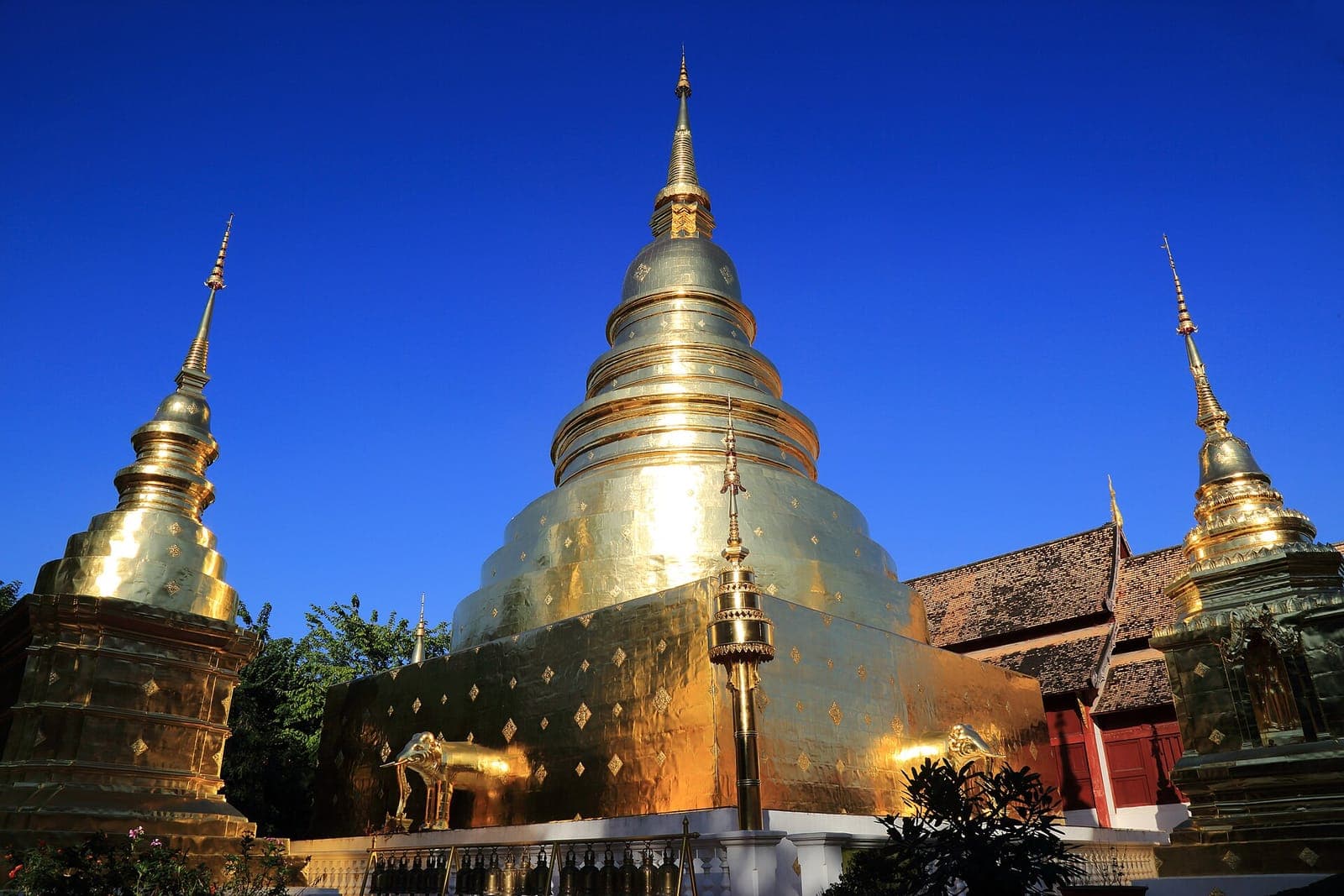
The golden chedi on Doi Suthep, about 15 km west of town and roughly 1,000 m up, is the symbol of Chiang Mai. Climb the 306-step naga staircase or take the funicular for a small fee; the terrace looks over the whole city on clear days. Shared songthaews leave from the Chiang Mai Zoo / Huay Kaew Road area when full (roughly 40 to 60 THB each way), or charter one for several hundred baht return. Mornings are cooler and clearer.
Markets and food
- Sunday Walking Street fills Ratchadamnoen Road from Tha Phae Gate to Wat Phra Singh from late afternoon until around 22:00 or later: handicrafts, temple-courtyard street food and music. Arrive early.
- Saturday Walking Street on Wualai Road, south of the moat, is smaller and more local.
- Night Bazaar on Chang Khlan Road runs every evening, roughly 18:00 to 23:00.
- Warorot Market (Kad Luang), near the river, is the daytime market for northern food and textiles.
Khao soi (curried noodles topped with crispy noodles) and sai ua herb sausage are the dishes to try; cooking classes with a market visit are a Chiang Mai speciality.
Elephants
The province has many elephant camps and sanctuaries, and standards vary widely. Favour venues with no riding, shows or tricks that limit how closely the animals are handled; observation-only programmes are increasingly common. Elephant Nature Park in Mae Taeng is one of the longest-established non-riding sanctuaries, with half- and full-day visits from the city. We do not endorse specific operators; read recent reviews and each venue's welfare policy before booking.
Day trips
- Doi Inthanon National Park. About 2 hours south-west, with Thailand's highest summit at 2,565 m, the twin royal pagodas, the short Ang Ka boardwalk through mossy cloud forest, the guided Kew Mae Pan ridge trail (closed roughly June to October) and Wachirathan waterfall. The foreign-adult fee has been reported at 300 THB plus a separate charge at the pagodas; confirm at the checkpoint. Bring a jacket.
- Chiang Rai. About 3 hours each way for the White Temple and Blue Temple; a long day or, better, an overnight.
- Bua Tong "Sticky" Waterfall. A limestone cascade about 60 km north that you can walk up; a popular half-day.
- Pai. A 3-hour minivan ride on a very winding road; better as a two-night trip than a day out.
Practical notes
Weather and seasons
- Cool season, November to February: the most comfortable months, with days around 28 to 32°C and nights down to 13 to 18°C in December and January. Peak season.
- Hot season, March to May: highs of 35 to 40°C, with April the hottest. Songkran (13 to 15 April) is celebrated enthusiastically around the moat.
- Rainy season, May to October: mostly short, heavy afternoon showers, heaviest in August and September; green landscapes and lower prices.
Smoke season
From roughly February to April, peaking in March, northern Thailand has a seasonal haze. Satellite and air-quality analyses attribute most of it to agricultural and forest burning across the region, with the surrounding mountains trapping smoke in the valley during dry-season inversions. On bad days PM2.5 reaches levels classed as unhealthy for everyone, views disappear and outdoor exercise is unwise. Intensity varies by year and burning bans are imposed, but the pattern has repeated for many years. If you have a respiratory condition or travel with small children, consider another season. If you do come, check daily readings on the Pollution Control Department's Air4Thai site or an air-quality app, carry a well-fitting N95/KN95 mask and prefer rooms with air purifiers.
Yi Peng and Loy Krathong
Chiang Mai's lantern festival coincides with Loy Krathong on the full moon of the twelfth Thai lunar month; in 2026 that falls around 24 to 25 November, with parades, krathongs on the Ping River and lanterns across the Old City over about three days. Sky-lantern releases are tightly restricted: the province sets no-release zones including the city district and allows mass releases only at approved, usually ticketed, venues outside town; some flights are rescheduled on the main nights. Book rooms months ahead and check that year's provincial announcement.
Money, SIM cards, safety
ATMs are everywhere; most charge foreign cards a fixed fee of around 220 THB per withdrawal. Markets, songthaews and small eateries are cash-only. Tourist SIMs and eSIMs from AIS and True (which now includes dtac) are sold at the airport and convenience stores. Chiang Mai is generally safe; the main risks are scooter accidents, dengue in the rainy season and heat in April. Tourist Police: 1155; emergencies: 191. Check entry requirements for your passport with the Thai embassy or official sources, and see our Thailand travel essentials for more.
How long to stay
- 2 days: Old City temples, Doi Suthep, one market evening.
- 3 to 4 days: add a Doi Inthanon or elephant-sanctuary day, a cooking class and Nimman or the riverside.
- 5 to 7 days: add Chiang Rai or Pai, or slow down in the cafés and hill villages.
See our Thailand in 7 days itinerary for a Bangkok-to-north plan.
Where to check and book
Links marked “partner link” go to 12Go, which may pay Thai Route Guide a commission if you book there. The price is the same for you. Other links are plain links.
Sources and when we checked
We checked the following sources when writing this guide. Timetables, prices and rules change; confirm with the operator before you travel.
- Airports of Thailand – Chiang Mai International Airport ↗ (opens in a new tab)(checked 29 October 2026)
- Chiang Mai International Airport – RTC City Bus (R3) transport page ↗ (opens in a new tab)(checked 29 October 2026)
- State Railway of Thailand ↗ (opens in a new tab)(checked 29 October 2026)
- Transport Co., Ltd. (BKS) ↗ (opens in a new tab)(checked 29 October 2026)
- 12Go – transport booking platform ↗ (opens in a new tab)(checked 29 October 2026)
- NASA Earth Observatory – Smoke Shrouds Northern Thailand (April 2026) ↗ (opens in a new tab)(checked 29 October 2026)
- IQAir – Chiang Mai air quality during burning season (4 March 2026) ↗ (opens in a new tab)(checked 29 October 2026)
- Thai National Parks – Doi Inthanon National Park (third-party reference) ↗ (opens in a new tab)(checked 29 October 2026)
- Elephant Nature Park ↗ (opens in a new tab)(checked 29 October 2026)
- Thai Meteorological Department ↗ (opens in a new tab)(checked 29 October 2026)
Thai Route Guide is an independent information site operated by IMPADX. We do not sell tickets, accommodation or tours. Links go to the operator or a third-party platform; bookings are made with them under their terms.
Related guides
View all →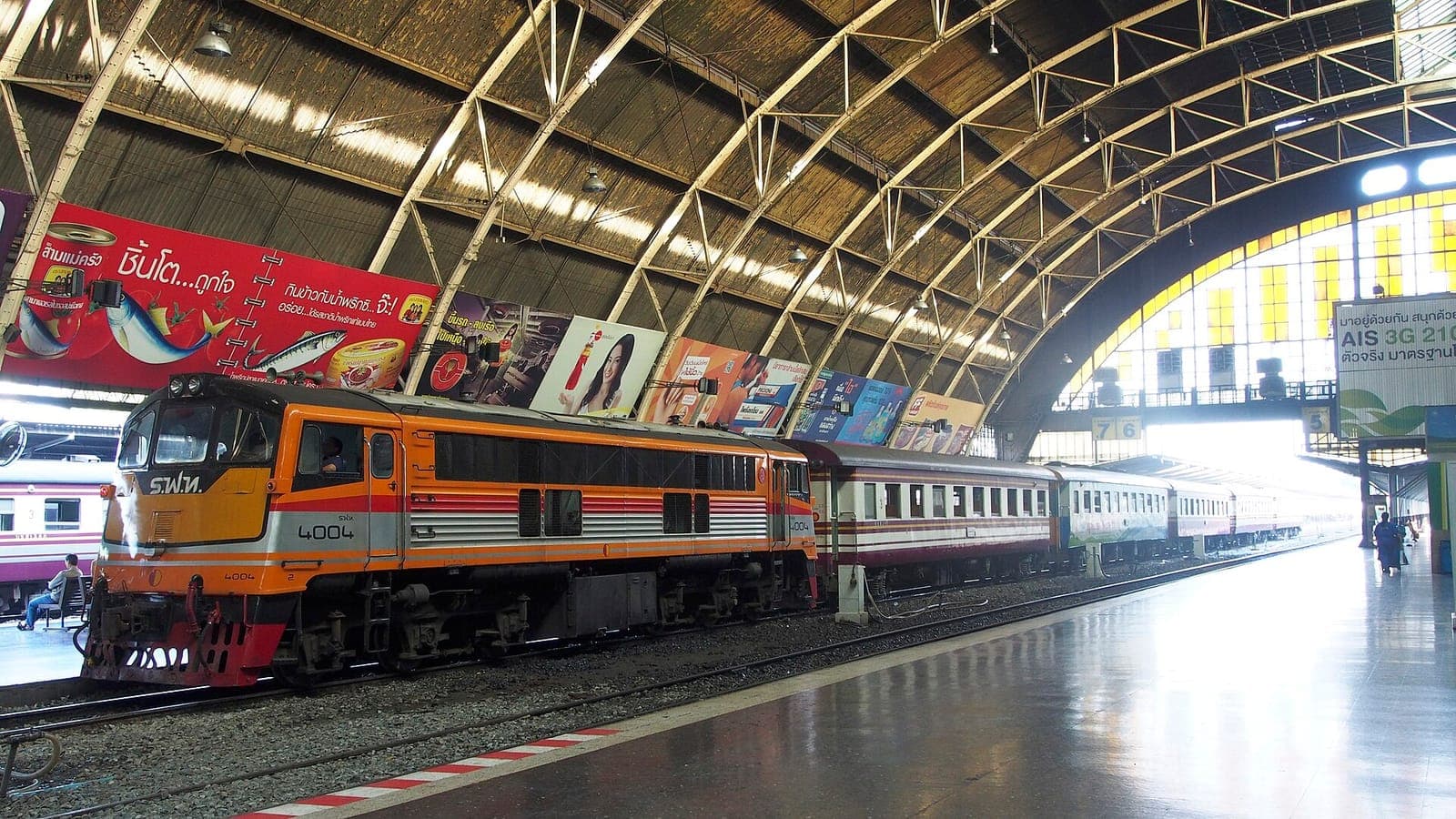
Transport
Bangkok to Chiang Mai by train, bus or flight: which to choose?
Compare the overnight sleeper train, daytime train, VIP buses and 75-minute flights from Bangkok to Chiang Mai: terminals, journey times and approximate fares.
Updated 29 October 2026
Itineraries
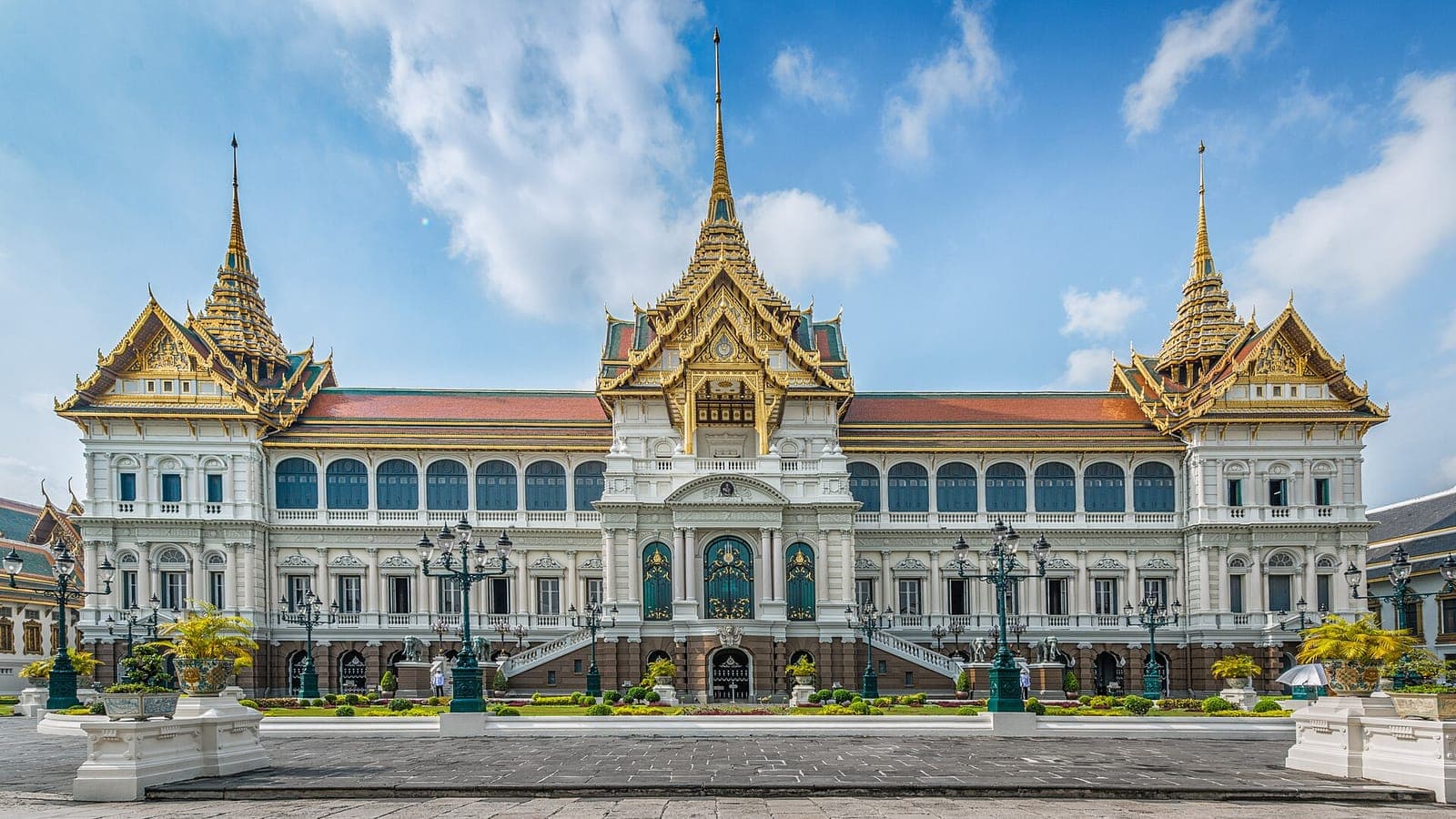
Thailand in 7 days: Bangkok, Chiang Mai and the beach
A one-week Thailand itinerary for first-timers: 2 nights in Bangkok, 2 in Chiang Mai and 3 on the Andaman coast, with flight, train and airport logistics.
Updated 29 October 2026
Destinations
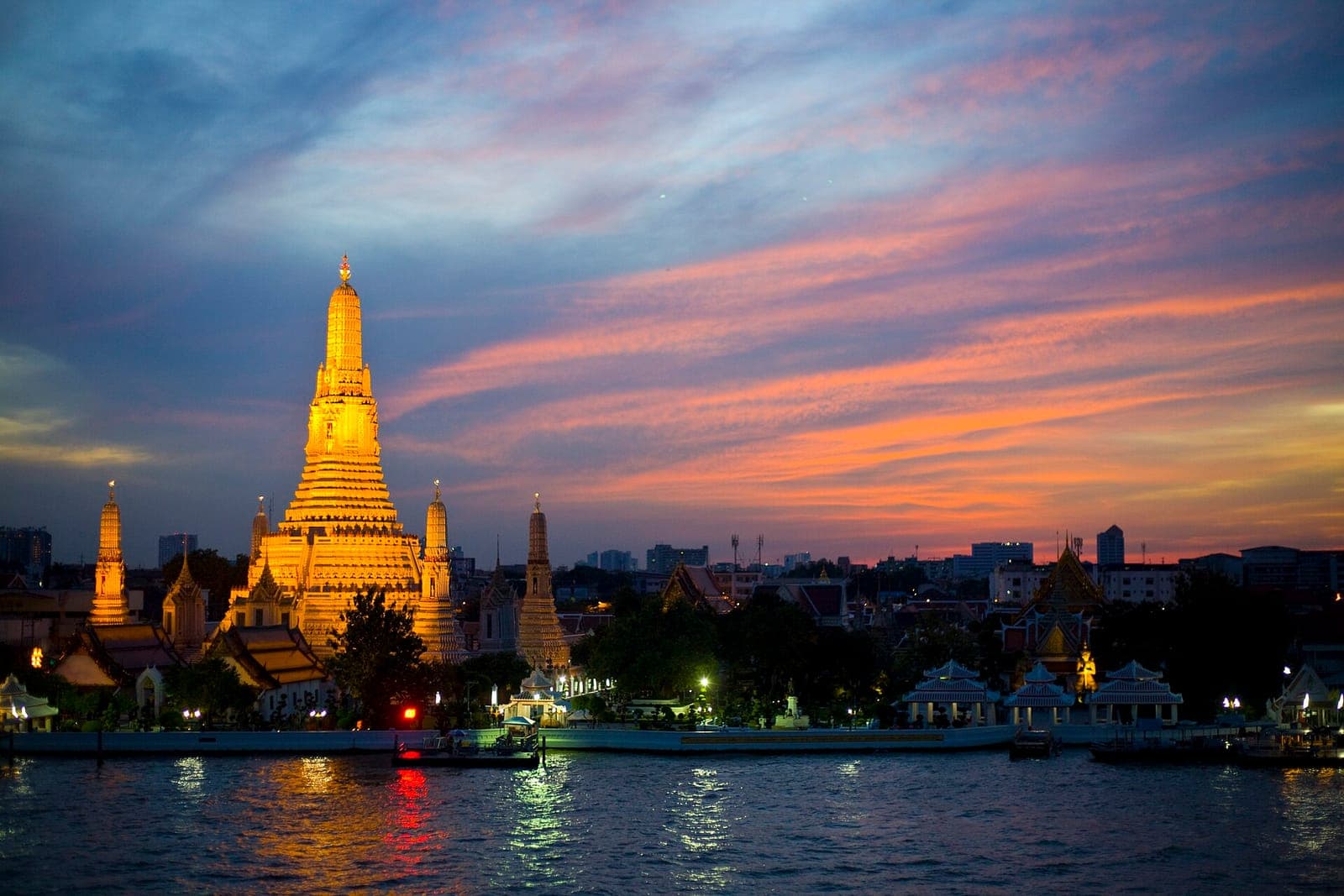
Bangkok travel guide: getting there, getting around and what to see
Practical Bangkok guide for first-time and repeat visitors: both airports, BTS, MRT, boats and taxis, main sights, where to stay and what to check before going.
Updated 29 October 2026
Travel Tips
Thailand travel essentials: what to sort out before your first trip
The Digital Arrival Card, baht and ATM fees, tourist SIMs, apps, etiquette, seasons, emergency numbers, plugs and tipping: the basics for a first Thailand trip.
Updated 29 October 2026